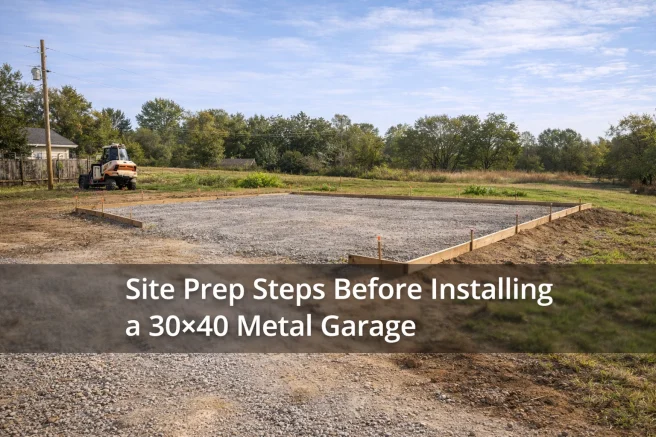


TL;DR: A 30×50 garage usually costs more than buyers expect because the building price is only part of the job. The shell, slab, doors, height, roof style, insulation, and site prep all move the number. A basic setup may start in the lower range, but a better-finished 30×50 garage often lands much higher once it’s actually usable. Plan the whole project, not just the building quote.
At first, a 30×50 garage sounds easy to price. It’s just a garage, right. Thirty feet wide, fifty feet long, get a quote, pour a slab, done. That’s how most people walk into it.
But once you start planning, the number starts moving. Fast. You add a taller leg height because your truck barely clears a standard opening. Then you want at least one bigger roll-up door. Then you realize you need a walk-in door, maybe a window or two, maybe insulation because this thing is going to turn into a shop whether you planned it or not.
Here’s what most people don’t realize: the “garage price” they see online is usually the pretty number, not the real number. It may cover the structure itself, maybe even install, maybe not. It usually doesn’t tell the full story on concrete, grading, permits, electrical, drainage, thicker steel, or the upgrades you end up wanting after looking at the empty shell.
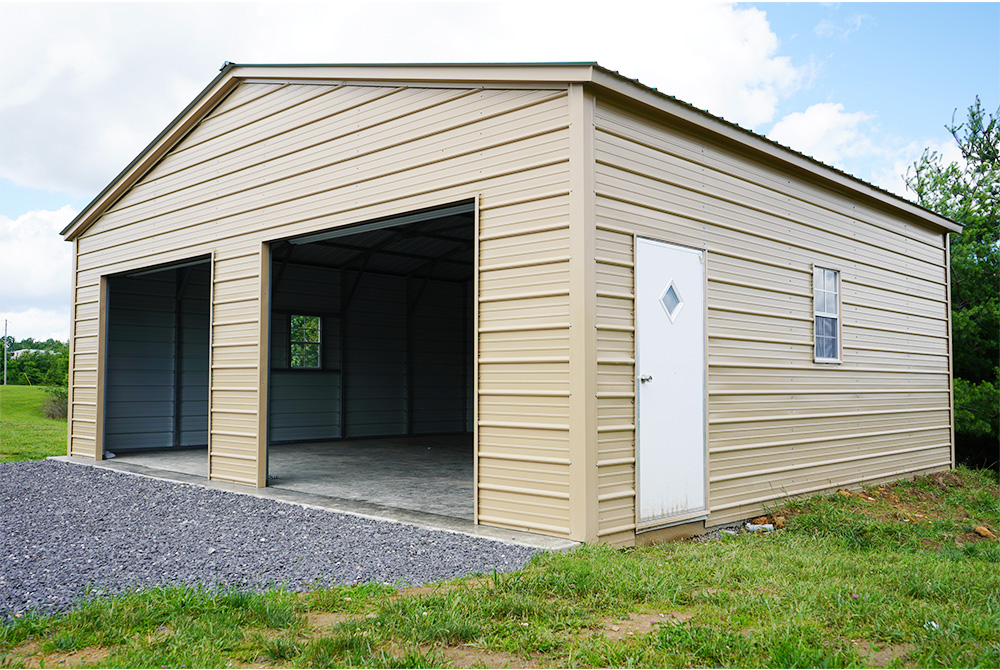
A 30×50 garage is a serious building. You’re talking about 1,500 square feet. That’s enough room for multiple vehicles, a mower, tools, shelves, a workbench, and still some breathing room if you lay it out right. That’s also why the mistakes get expensive. When you guess wrong on door placement, height, or slab thickness, you feel it later.
I’ve seen buyers go cheap on the front end and then spend more fixing it. Too short. Too dark. Not enough door width. No room to open truck doors inside. Slab wasn’t planned for heavier equipment. That kind of thing happens all the time. The best 30×50 garages aren’t always the cheapest ones. They’re the ones that actually fit how the owner lives and works.
So if you’re trying to figure out what a 30×50 garage should cost, don’t chase one magic number. Break it into parts. That’s how you avoid getting blindsided, and honestly, that’s how most experienced buyers do it after the first bad quote.
What a 30×50 Garage Usually Costs
A 30×50 garage gives you 1,500 square feet to work with. In real buying situations, the cost can vary a lot depending on whether you’re pricing just the metal garage package or a more complete job that includes concrete and upgrades.
A basic metal garage package often falls somewhere around $20,000 to $30,000 for the building itself, depending on roof style, gauge, height, and door setup.
A more realistic finished project budget for a 30×50 garage usually lands around $35,000 to $60,000+ once you add concrete, site prep, upgraded doors, permits, and the normal extras buyers end up choosing.
That big spread is normal. A bare-bones storage garage and a properly finished garage-shop are not the same job, even if the footprint is.
| Project Level | What’s Usually Included | Typical Range |
|---|---|---|
| Basic garage package | Frame, panels, standard trim, basic enclosed shell | $20,000–$30,000 |
| Mid-range usable setup | Building, better doors, standard slab, common upgrades | $35,000–$45,000 |
| Better-finished garage/shop | Concrete, upgraded doors, insulation, taller legs, stronger specs | $45,000–$60,000+ |
Why the Price Changes So Much
Roof style matters more than people think
If you’re comparing quotes, roof style is one of the first things that changes the number. A regular roof usually comes in cheaper. A boxed-eave style looks cleaner. A vertical roof costs more, but it performs better, especially on a building this size.
If this garage is going to be up for years and you want less trouble with rain runoff, leaves, and general wear, vertical is usually the better call. It costs more now, saves headaches later. A lot of buyers try to trim the quote here, then wish they hadn’t.
Door size and door count can swing the budget hard
This is a big one. A 30×50 garage can look roomy on paper, but the door setup is what makes it usable. Two small doors might work for cars, but if you’ve got a full-size pickup, trailer, side-by-side, or tractor, now you’re talking bigger openings and more money.
And it’s not just the roll-up door itself. Bigger framed openings, placement, clearance, and how you use the inside space all matter. I’ve had buyers ask for three doors because it “sounds better,” then realize they gave away most of their wall space.
Height changes everything
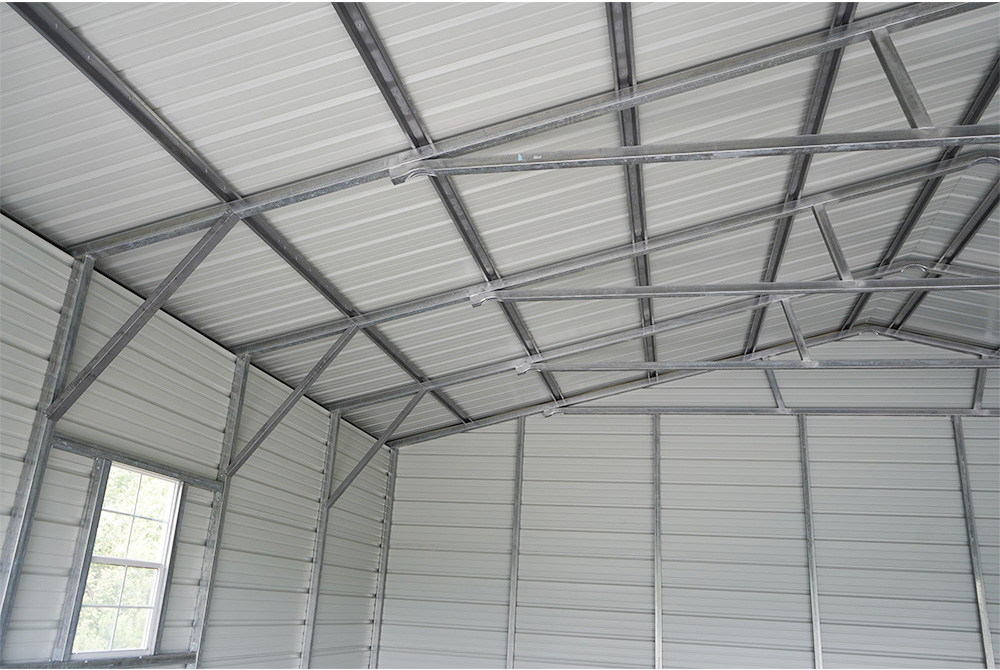
A standard-height garage is one thing. Start going taller so you can fit lifted trucks, stacked storage, maybe even a future lift, and now the whole building cost changes. More steel, more panel, more bracing. Worth it if you need it. Waste of money if you don’t.
This is where people should slow down for a minute. Don’t just ask, “How tall should it be?” Ask, “What will I own five years from now?” That gives you a better answer.
Concrete is not a side cost
A lot of buyers look at the slab like it’s separate from the building. It’s not. On a 30×50 garage, the slab is one of the biggest parts of the budget. And if the site needs fill dirt, grading, drainage work, or thicker concrete because you’re parking heavier stuff, the cost goes up again.
That’s why a cheap building quote can fool people. The garage package looks affordable, but the full project says otherwise.
Common 30×50 Garage Cost Breakdown
Here’s a simple way to think about where the money usually goes.
| Cost Item | What Affects It Most | Budget Impact |
|---|---|---|
| Garage building package | Roof style, gauge, height, trim, certifications | High |
| Concrete slab | Thickness, site condition, reinforcement, finish | High |
| Garage doors | Size, quantity, insulation, opener setup | Medium to High |
| Site prep | Grading, fill, drainage, access | Medium to High |
| Permits and engineering | Local code, wind/snow requirements | Medium |
| Insulation | Type and coverage area | Medium |
| Electrical | Lights, outlets, panel, openers | Medium |
| Extras | Windows, walk doors, gutters, overhangs, color upgrades | Low to Medium |
30×50 Garage Uses and What That Means for Cost
Basic vehicle storage
If you just want enclosed storage for vehicles, lawn equipment, and household overflow, you can keep the cost under control. Standard height, basic door package, no insulation, simple slab. That’s where the lower end of the range makes sense.
Garage plus workshop
This is where a lot of people end up, even if they didn’t start there. Once it becomes a work space, you’ll usually want better lighting, insulation, at least one walk door, and enough room around the vehicles to move comfortably. That pushes the budget up, but it also makes the building a lot more useful.
Heavy-use equipment garage
If you’re storing tractors, trailers, diesel trucks, or commercial equipment, don’t build this like a light-duty car garage. Bigger doors, more height, stronger slab, and maybe wider spacing inside. More money, yes. But trying to force heavy equipment into a building sized for cars is where regret shows up.
What Buyers Usually Add After the First Quote
This is the stuff that often shows up after somebody gets their first “good” number:
- Taller legs
- Vertical roof
- One larger roll-up door
- Extra walk-in door
- Windows for natural light
- Insulation
- Heavier framing for local code
- Better slab
- Electrical rough-in
- Gutters or overhangs
None of these are crazy upgrades. That’s the point. They’re normal. So when you’re planning a 30×50 garage, leave room for them in the budget from the start.
Real-World Insight: Where People Mess This Up
The most common mistake is buying the footprint before thinking through the layout.
A 30×50 sounds big, and it is. But if you stick in the wrong door sizes, park a truck lengthwise, add shelves on one wall, put a workbench in the back, and keep a mower or trailer inside, it fills up quicker than people expect. I’ve watched buyers order a garage that technically fits everything, but in real life it’s annoying to use.
Second mistake is going too short. This one comes back all the time. A buyer says, “I don’t need extra height.” Then later he buys a taller truck, wants overhead storage, or decides he wants a lift. Now the building still works, but not the way he really wanted. Height is cheaper to add on paper than it is to regret later.
Third mistake is underbuilding the slab. If this is just for light storage, fine. But if there’s any chance you’ll have heavier vehicles, equipment, or a two-post lift one day, say it up front. Concrete is not where you want assumptions.
Quick Decision Checklist
- Decide first if this is storage, a real garage, or a garage-shop
- Pick your door layout before you lock in the building
- Think about future vehicles, not just what you own today
- Budget for concrete early
- Don’t skip site prep in your numbers
- Go taller if you’re even a little unsure
- Don’t buy purely on the lowest ad price
FAQs
How much does a 30×50 garage cost with concrete?
Usually more than the building quote alone by a pretty noticeable amount. Once you add the slab, some site work, and normal upgrades, many buyers end up well above the base package price.
Is a 30×50 garage big enough for 3 cars?
Yes, in most cases it is. But “big enough” depends on the size of the vehicles and whether you also want storage, shelving, a workbench, or room to move around without shuffling things constantly.
What’s the cheapest roof style for a 30×50 garage?
Regular roof is usually the cheaper option. That said, for a building this size, a lot of buyers move up to a vertical roof because it tends to be a better long-term choice.
Should I insulate a 30×50 garage?
If it’s just dry storage, maybe not. If you plan to work inside, store tools, or spend time in it during hot or cold months, insulation is usually worth it.
How many garage doors should a 30×50 have?
That depends on how you park and what you’re storing. Two larger doors often work better than several smaller ones. More doors are not always better.
Is 30×50 a good size for a garage and workshop?
Yes. It’s one of the more useful sizes because it gives you enough room for vehicles plus real work space. That’s why it’s such a popular footprint.
What adds the most cost to a 30×50 garage?
Usually concrete, height, roof style, bigger door packages, insulation, and site prep. Those are the big movers on most real quotes.
What Most Buyers End Up Choosing
A lot of buyers start by looking for the cheapest 30×50 garage they can find. Then they back into what they actually need. What they usually end up choosing is something in the middle: enclosed garage, vertical roof, one or two decent-size roll-up doors, one walk door, enough height for a full-size truck, and a slab that’s built right.
That setup usually makes more sense than stripping the building down too far. It’s still cost-conscious, but it doesn’t feel like a compromise every time you use it.
How to Decide Without Regret
Think about your next ten years, not just this year.
If the garage is mostly storage, keep it simple. If it’s going to become your work area, hunting gear room, tool space, or weekend shop, build for that now. Not halfway. Not “maybe later.” Later usually costs more.
The buyers who are happiest with a 30×50 garage are usually the ones who plan the use first and the quote second. They don’t chase the prettiest low number. They build something that fits their life, and then they leave it alone because it works.
 Perplexity
 ChatGPT