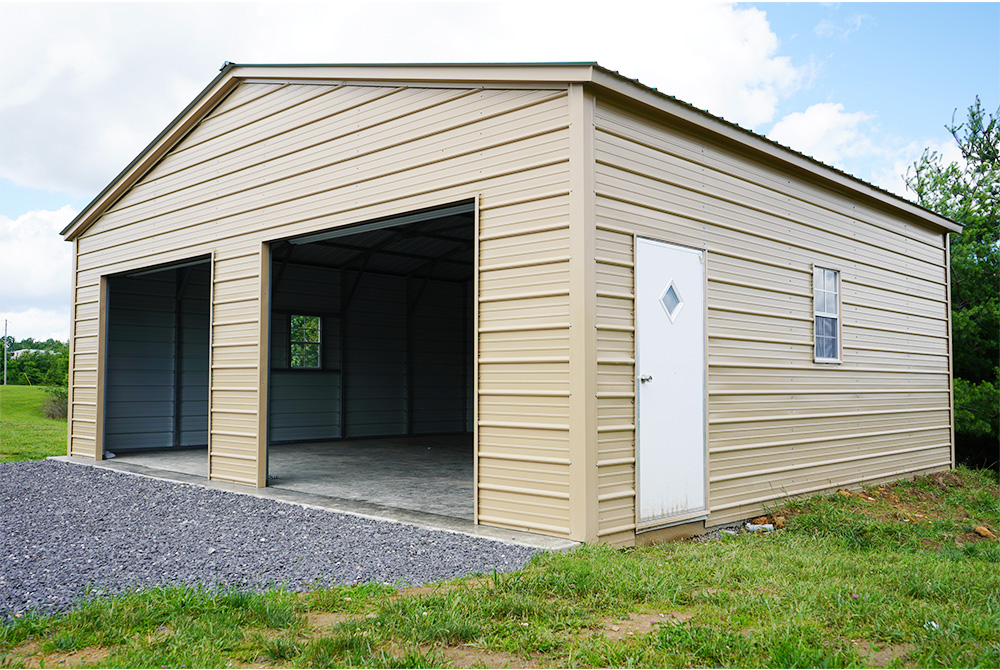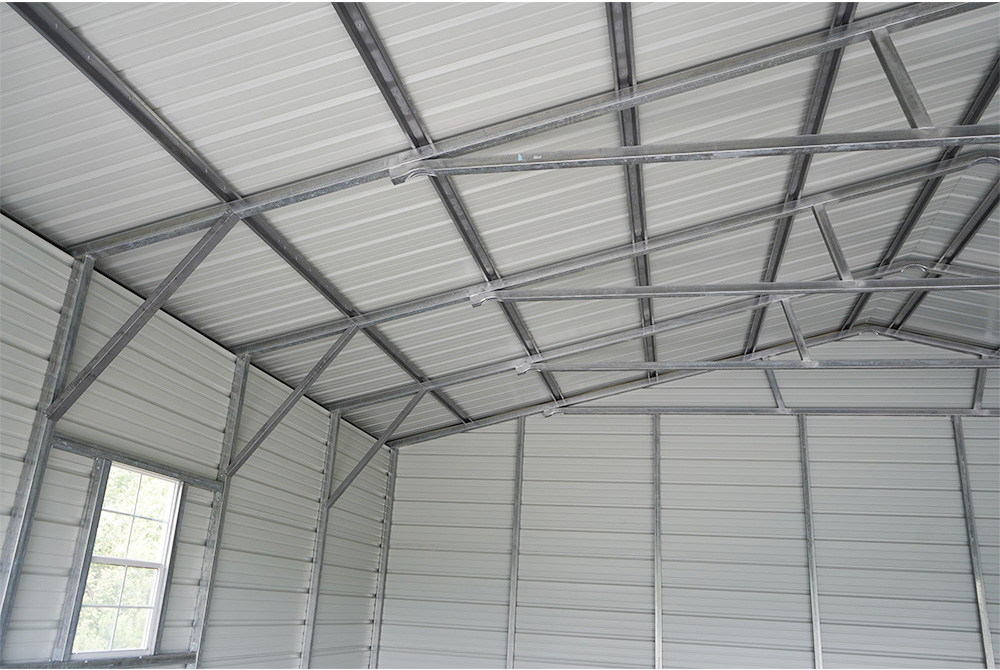

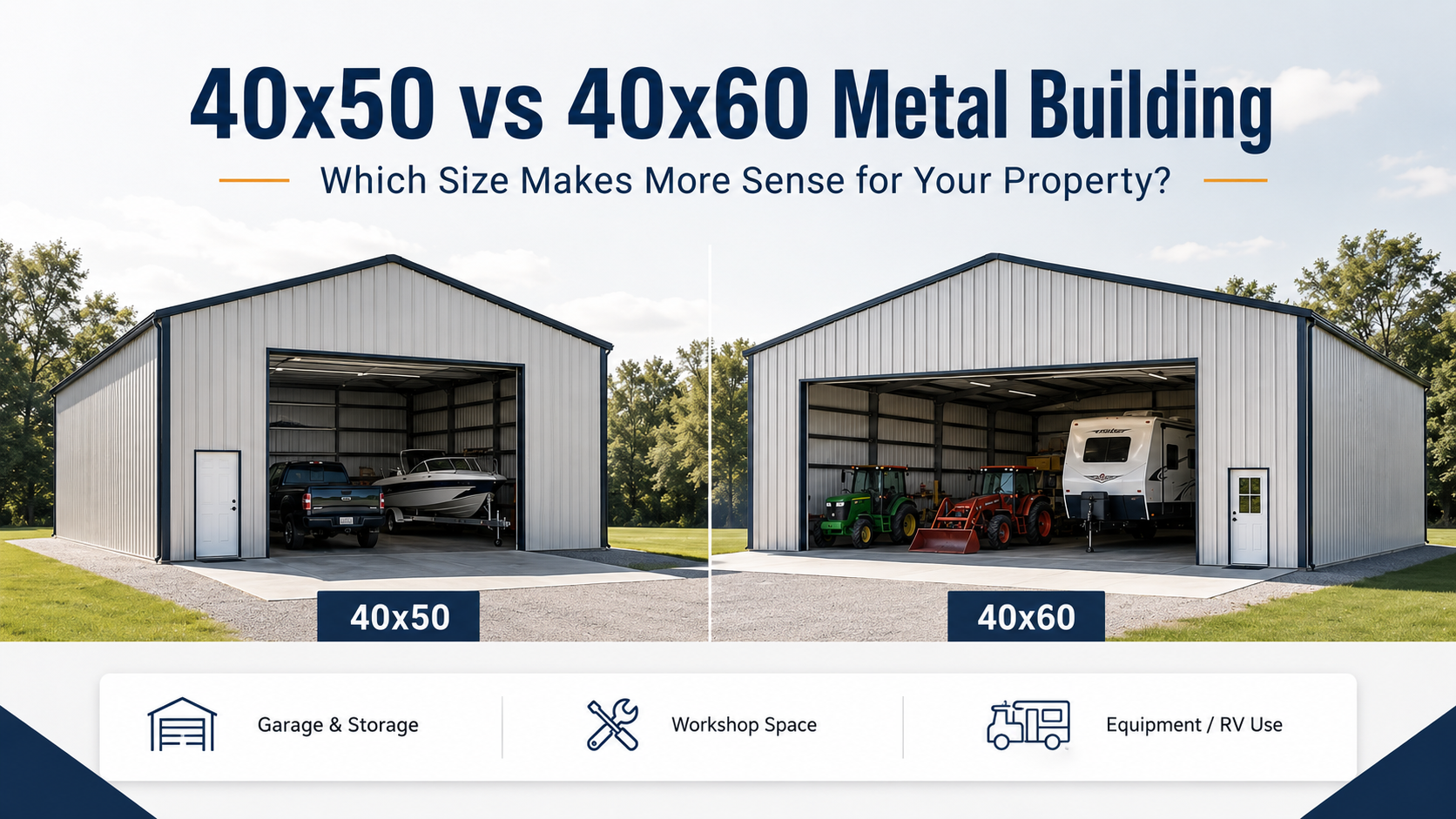
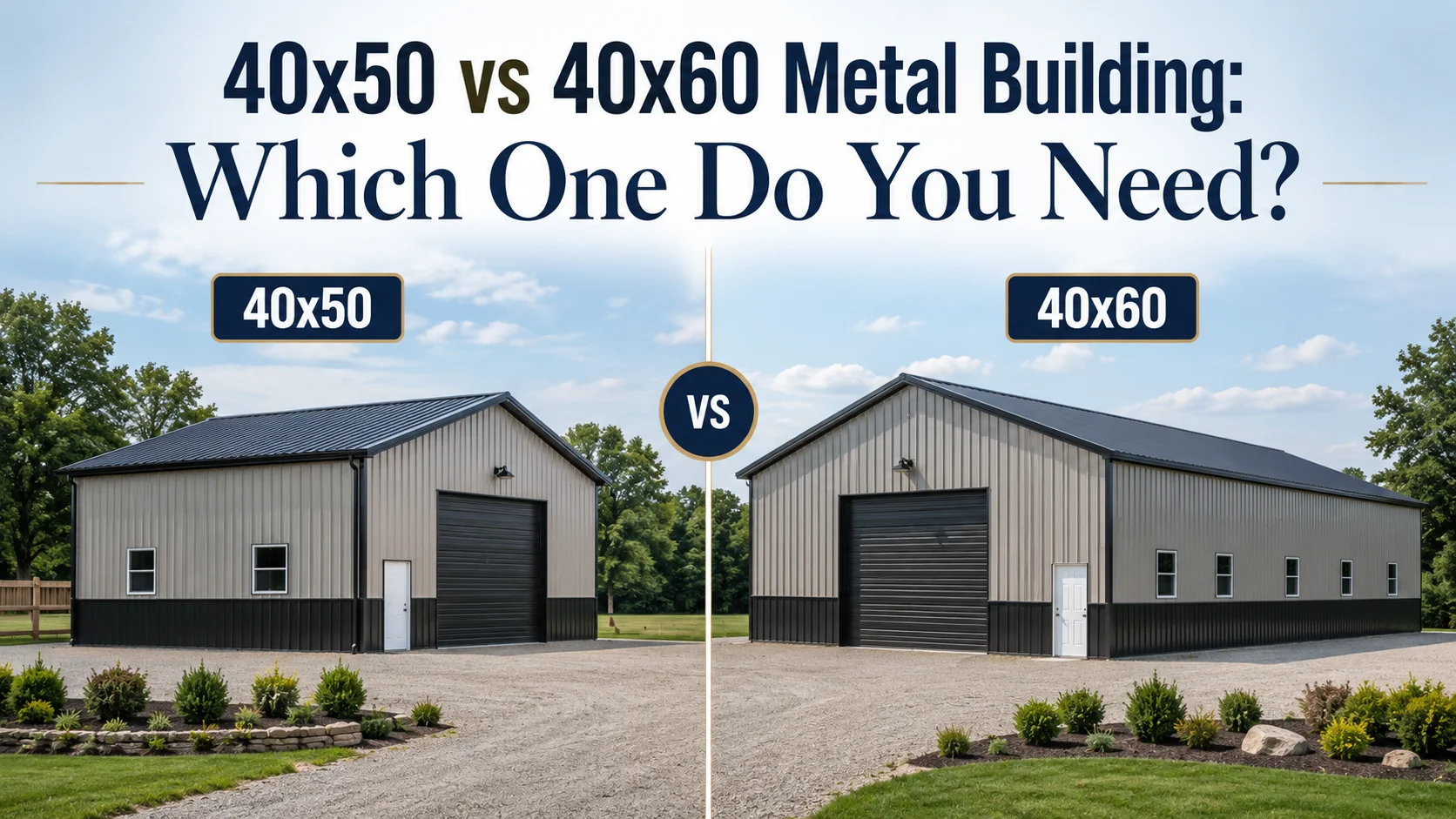
A 40x50 metal building gives you 2,000 square feet. A 40x60 gives you 2,400 square feet. The difference is 400 square feet, but that number does not tell the whole story. The extra 10 feet of length can decide whether you have room to open truck doors, back in a trailer, keep a workbench clear, or store equipment without turning the building into a maze. If the building has one main job, a 40x50 may be plenty. If it needs to handle vehicles, tools, equipment, storage, and future changes, a 40x60 usually feels better after a few years of use....
Blog
9th July, 2026
30th June, 2026
A lot of buyers come into this decision thinking they are comparing two building sizes. That is understandable. A 40×50 and a 40×60 metal building look close on paper. Same width. Same basic shape. One is just 10 feet longer. That 10 feet does not sound like much until the building starts being used. That is where I usually slow the conversation down. Because the question is not just, “Can everything fit?” The better question is, “Will this building still be easy to use once it is full?” That is where the real difference shows up. A 40×50 gives you...
13th January, 2026
Posted In: Commercial Metal Buildings
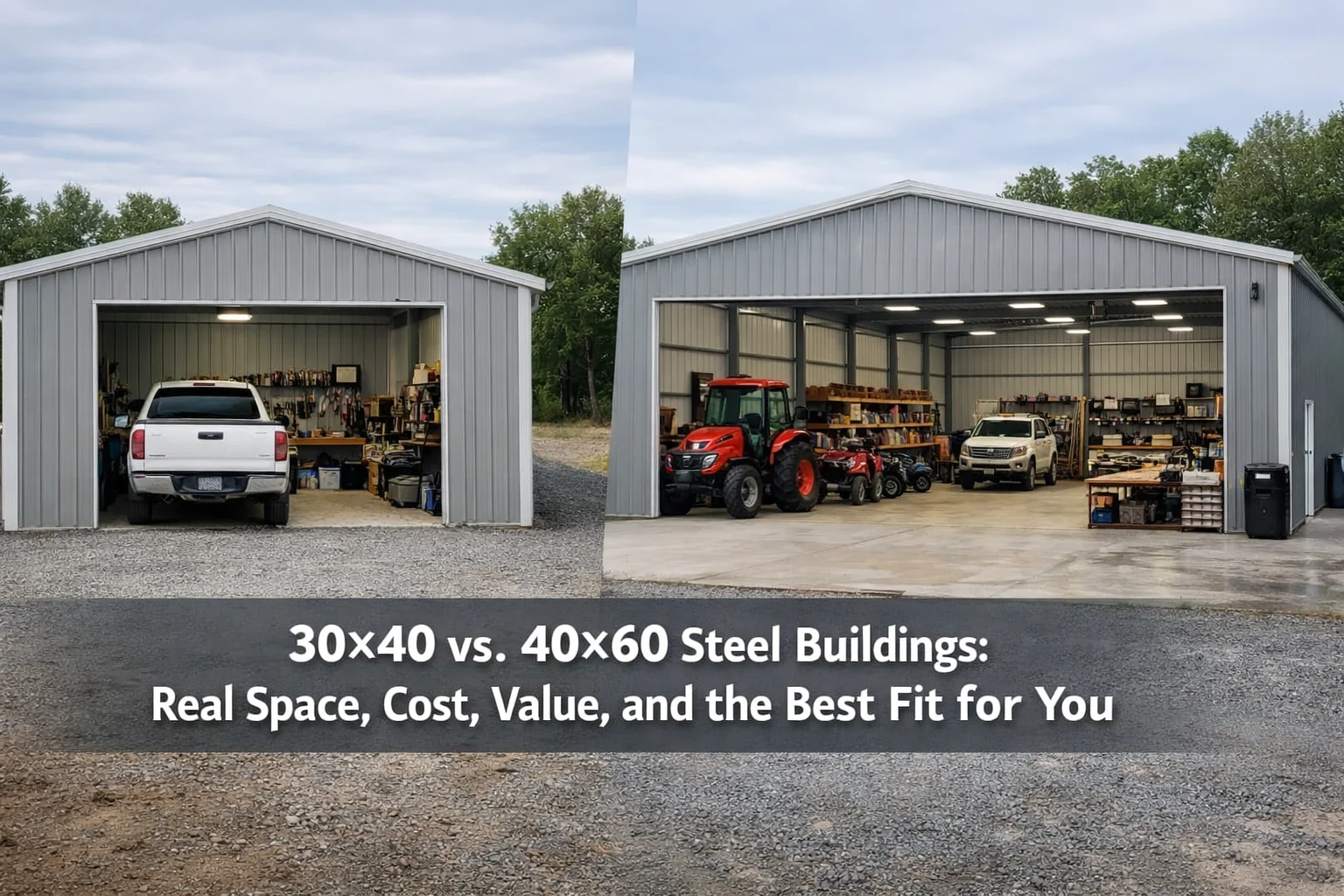
I hear this one a lot after somebody lays it out in the driveway with stakes and string: “Does a 30×40 feel like a real shop… or am I going to regret it?” On paper, 1,200 square feet sounds massive. Then you picture a pickup, a side-by-side, a mower, a workbench, and a shelf line. And suddenly you’re asking where you’re supposed to walk. Here’s the thing: most people don’t regret the building when it’s empty. They regret it once they live in it. They buy a taller tractor. They add a trailer. They decide they want a lift. Or...
19th December, 2025
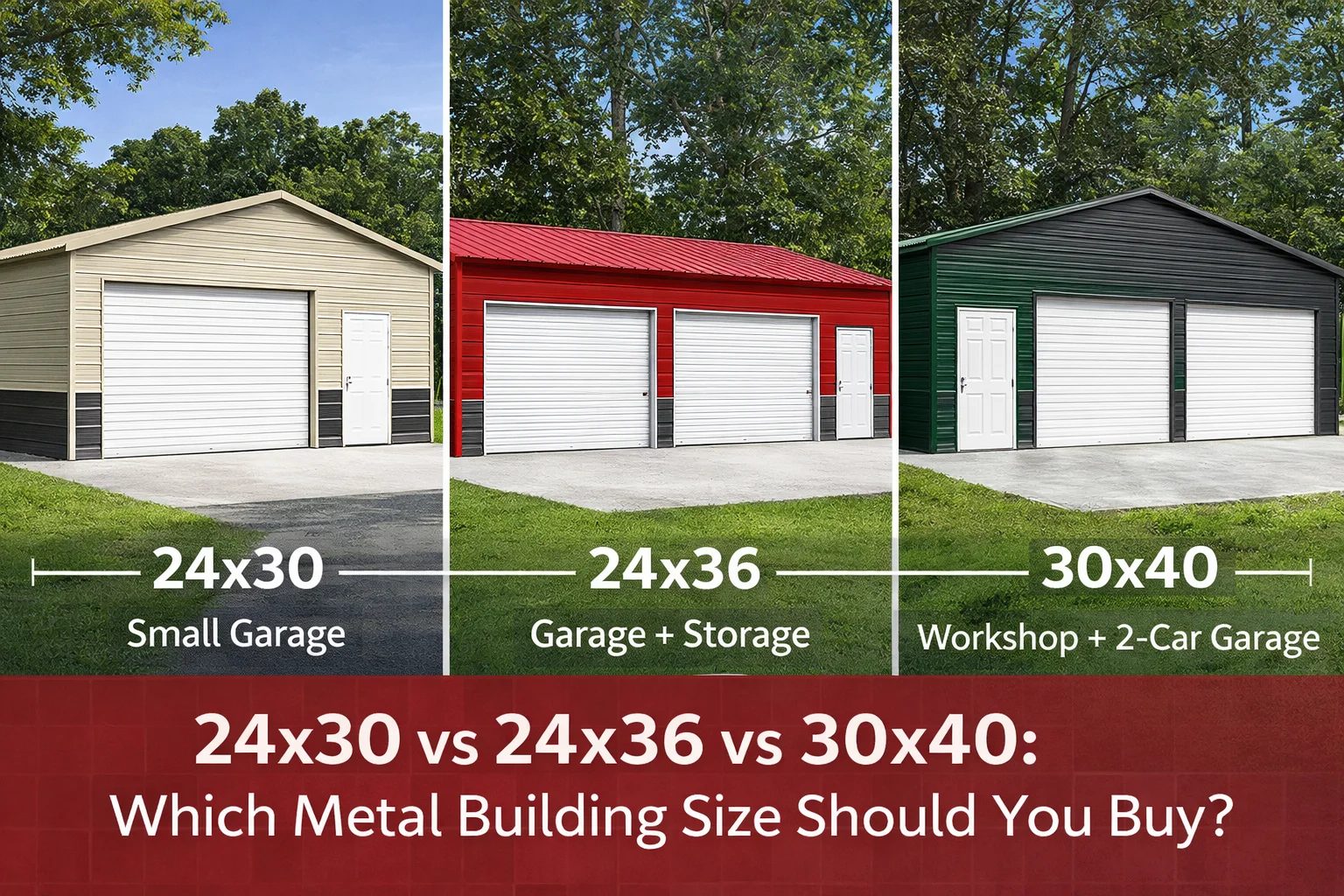
These three sizes get compared for a reason: they’re the “close call” options—where you can make a smart buy or end up with a building that technically fits but feels tight every time you use it. I’ve watched buyers fixate on square footage and miss what actually decides comfort: door placement, door clearance, and how much of that 24-foot width gets eaten up once benches and shelving are in and the shop is doing real work. A 24×30 is usually a straight garage/storage move. A 24×36 is where you can finally carve out a rear zone that doesn’t get swallowed...

17th December, 2025
Posted In: Commercial Metal Buildings
40x50 Metal Buildings at a Quick Glance A 40x50 building gives you right around 2,000 square feet of usable space. That’s not small. It gives you the room to park trucks, run a woodworking business, or just store equipment without struggling for more square footage. The basic cost for such a structure, before any fancy accessories, usually falls somewhere between $22,000 and $40,000.Now, that range is just the shell. Once you start digging into the things that make a building usable, such as site work, permits, foundation, insulation, thicker gauge panels, taller walls, and bigger doors, the original number changes....

28th November, 2025
Why Budgets Blow Up Most people go into a metal building project with a set number in their head. Then the bills start rolling in, and suddenly that number doesn’t stretch as far as it used to. It’s not that anyone made a huge mistake; it’s that a lot of little things never made it onto the first quote. In this blog, we’ll explore some of the toughest and costliest aspects of developing your metal building budget, and how to avoid pitfalls along the way. Quick Answer Metal building budgets usually go over because the “kit price” excludes key costs...

12th July, 2022
Posted In: Commercial Metal Buildings
In recent years, prefabricated commercial steel buildings have become an increasingly popular choice for many business owners. These structures offer the versatility, strength, cost-efficiency, and quick construction companies require to operate. But before we dive down the wormhole of different commercial metal structures, let’s take a moment to define ‘prefab commercial structures’. A prefabricated structure, or prefab, is any structure designed and engineered in a manufacturing facility for future construction. This allows them to be pre-designed and delivered to an installation site for quick construction, much like a giant 3D jigsaw puzzle. And this is precisely why they've become the...
12th April, 2022
Posted In: Commercial Metal Buildings
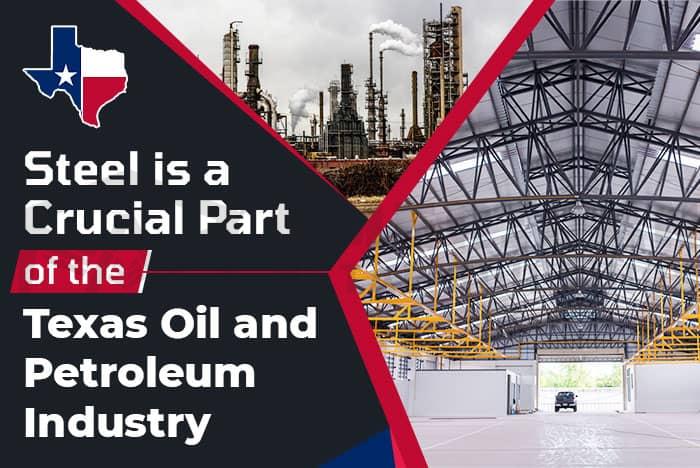
The Texas Oil and Petroleum Industry If you thought the only big things in Texas were the blue skies and ranchland, you'd be pleasantly surprised. In fact, the Lonestar State brings in 15.8 billion dollars annually and accounts for 1/3rd of the entire known petroleum supply in the US. And because this region is so rich in oil and petroleum, many major oil corporations, including Exxon, Marathon, and BP, have placed their headquarters in the state. This growth in the oil industry is expected to continue despite the nation's slow development of alternative fuels. Between 2003 and 2013, the number...

22nd November, 2021
Posted In: Commercial Metal Buildings
Today, in the construction industry, many people are opting for metal buildings. This is because construction materials are not cheap, and it takes a whole lot of time to construct a structure using conventional materials. On the other hand, commercial metal buildings are affordable, durable, available in wide range and serves a variety of purposes. This is the reason behind the increase in demand for metal structures. Metal buildings are famously resistant to rot, fire, and pests. In the event of a natural disaster, a metal building is more likely to endure. Compared to conventional brick and mortar structures, they...

16th August, 2020
The United States is built on the business ventures of ambitious Americans. Every year, a large number of businesses are started and experience growth. While success can be determined by a variety of factors, one of the keys to unlocking a business’ full potential lies in its efficiency. That efficiency is often linked to the productivity of the space in which the business exists. In other words, there is a strong correlation between a business’ facilities and the successfulness of the business. Thanks to their versatility, tremendous amounts of usable space, and overall cost-effectiveness, commercial and industrial steel buildings have...
40x50 vs 40x60 Metal Building: Which Size Will Feel Right After You Start Using It?
40x50 vs 40x60 Metal Building: Which One Do You Need?
30x50 Garage Cost Guide: Prices, Options & What to Expect
Buildings
46
Combo Metal Buildings
1
Commercial Metal Buildings
10
Farm Buildings
7
Garages
12
Hiking
1
Metal Barns
5
Metal Building Foundation
1
Metal Buildings Texas
1
metal buildings with Lean-to
1
Metal Carports
9
Metal Sheds
2
Motorcycle Maintenance
1
Rust Protection
1
RV Cover
3
Steel Buildings
3
Storage Buildings
7
Summer
1
Swimming Pool
1
Winter
1
Work From Home
1